







Search Results for: Anthony Douglas

Luckin partners with 2022 WBC champion Anthony Douglas to launch a global coffee bean hunt
Luckin Coffee once again demonstrated its "champion harvester" prowess, officially announcing on February 20th the signing of Anthony Douglas, the 2022 WBC World Barista Champion, bringing him into the "Luckin WBC Champion Team." Starting in March, Anthony will lead a bean-sourcing team deep into Ethiopia and Panama, two renowned origins, to participate in green bean procurement. This marks Luckin's fifth collaboration with a WBC champion, following Hidenori Izaki, Andrej Latuada, Pan Zhimin, and Agnieszka Rojewska. Anthony won the championship with his innovative technique of concentrating milk using freeze-drying technology, and previously served as a global ambassador for La Marzocco. Having come up through Melbourne's Axil Coffee Roasters, his addition will inject new vitality into Luckin's specialty coffee line. Whether the future "Little Black Cup" series will feature Panama Geisha is something worth looking forward to. For more specialty coffee news, welcome to follow Front Street Coffee (FrontStreet Coffee). [more…]
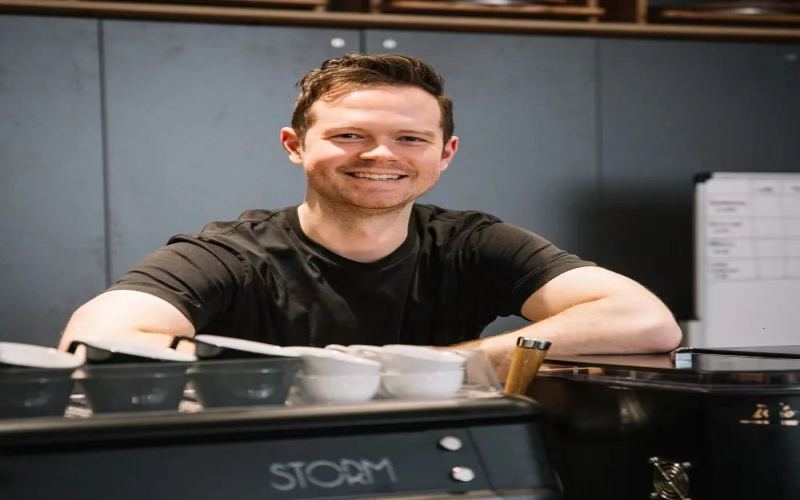
From High School Dropout to World Coffee Champion: The Growth Trajectory and Championship Journey of Anthony Douglas
The World Barista Championship is the highest-level competitive stage in the coffee industry, where competitors convey the multi-dimensional charm of coffee to professional judges through exquisite skill and vivid expression. In 2022, Anthony Douglas from Axil Coffee Roasters in Melbourne, Australia, took the crown at the WBC held in Melbourne. This barista, a high school dropout who started out in the deli section of a Spanish restaurant, went from regional competitions all the way to world champion in seven years. This article reviews his growth experience, competition preparation details, and winning performance, and shares his understanding of the role of a barista. [more…]

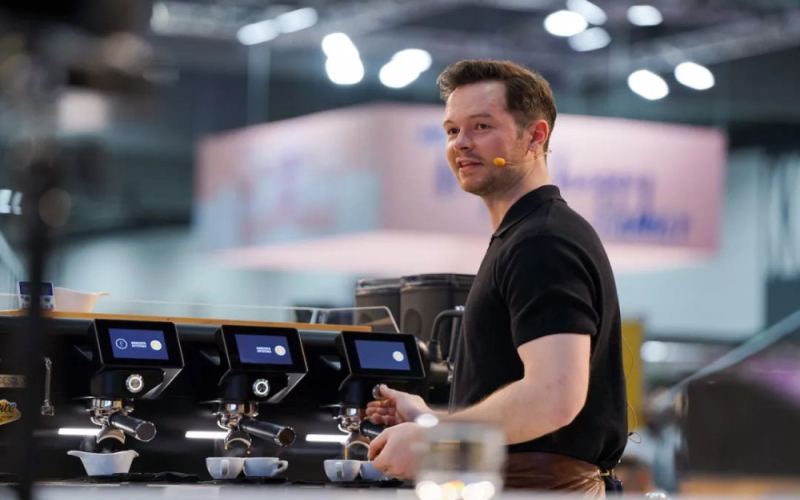
2022 WBC Champion Anthony's Full Breakdown of Latte and Creative Coffee Production: From Milk Powder Thickening to Nitrogen Processing
The 2022 WBC World Barista Championship has come to a close, with Australian competitor Anthony Douglas taking the crown thanks to his unique creative coffee and milk coffee preparation techniques. His performance not only showcased the charm of the 80-hour anaerobic natural Sidra coffee beans from El Diviso Estate in Colombia's Huila region, but also brought laboratory-level processing methods onto the competition stage: vacuum slow-cooked date syrup, nitrogen infusion, magnetic stirring, freeze-vacuum-dehydrated milk powder... How do these techniques affect coffee flavor? This article walks you through Anthony's recipe and operational details one by one, and explores the gap between barista competitions and everyday café culture. Meanwhile, Front Street Coffee continues to provide you with professional coffee knowledge exchange and specialty bean recommendations. [more…]
Sidra Coffee Variety Origin and Champion Bean Analysis: Colombia Finca El Diviso Flavor and Front Street Brewing Parameters
The rare variety Sidra came into the public eye thanks to its selection by two World Barista Championship winners. It originally comes from Pichincha Province, Ecuador, and genetic research shows it is related to Ethiopian native varieties. It is currently grown mainly in Ecuador and Colombia. The anaerobically fermented Sidra lot from Finca El Diviso in the Huila region of Colombia, selected by 2022 WBC champion Anthony Douglas, has further driven the estate and the variety's rising popularity. This article will sort out Sidra's origins, plant characteristics, and flavor profile, and introduce the Sidra coffee beans from Finca El Diviso brought in by Front Street Coffee, along with brewing suggestions, providing a complete reference for coffee lovers. [more…]
The Same Sidra Coffee as the 2022 WBC Champion: A Complete Analysis of the Flavor and Origin of Colombia's Sidra Variety
At the 2022 World Barista Championship, Anthony Douglas claimed the crown with a Sidra coffee from Colombia's Finca El Diviso, making this rare variety once again the focus of the specialty coffee world. In fact, back in 2019, Korean champion Jooyeon Jeon had already chosen an Ecuadorian Sidra to take the WBC stage. Where exactly does Sidra come from, and why can it rival Geisha? This article will walk you through the origins of the Sidra variety, the background of Colombia's Finca El Diviso, and the flavor profile and pour-over recommendations for this championship bean. Front Street Coffee has also brought in a Sidra lot from Finca El Diviso, using double anaerobic washed processing and a medium-light roast, presenting rich fruity notes of apricot, citrus, and grape. [more…]
A Complete Guide to Colombian Sidra Coffee Beans: From Huila's Finca La Divisa to Fame via Two WBC Champions
The Sidra variety has risen to fame in the specialty coffee world in recent years, becoming a focal point after being chosen by two World Barista Championship winners. It originally came from Ecuador, developed by crossbreeding Typica and Red Bourbon, and genetic testing shows it has a genetic connection to Ethiopian landraces. It is currently mainly grown in Ecuador and Colombia, with Finca El Diviso in the Huila region of Colombia drawing much attention after Anthony Douglas's championship win. Front Street Coffee has also introduced this bean, using a double anaerobic washed process and a medium-light roast, presenting rich fruit flavors of apricot, citrus, and grape. This article will guide you through the origins of Sidra, the story of Finca El Diviso, the variety's characteristics, and Front Street's brewing recommendations. [more…]
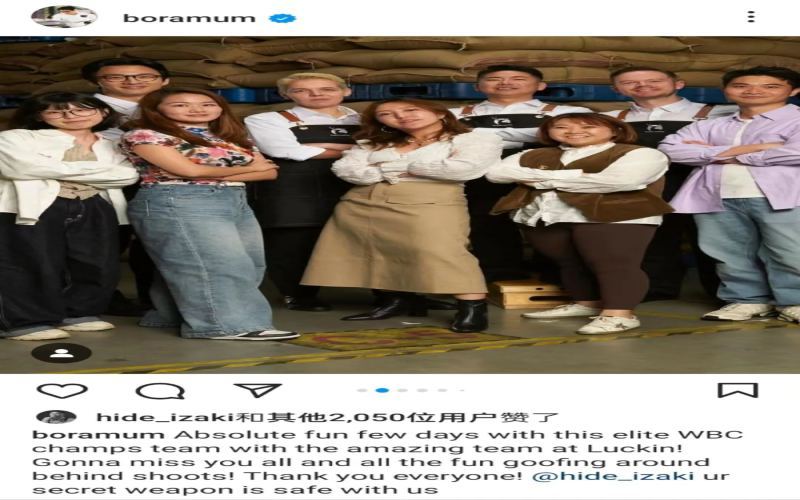
Luckin Recruits Another WBC Champion Boram Um, the Sixth World Barista Championship Winner to Join Its Ambassador Lineup
With less than two months left before the end of 2023, Luckin Coffee seems to have another major move in store. On October 29, WBC World Barista Champion Boram Julio Um posted multiple group photos on social media, expressing his delight at working with the Luckin team and tagging several people in the photos. Judging from the images, this is very likely the sixth WBC champion spokesperson signed by Luckin. The photos feature not only Boram himself, but also 2014 champion Hidemitsu Izaki, 2022 champion Anthony Douglas, and 2018 champion Agnieszka Rojewska—several champions gathered together, all wearing Luckin barista aprons. This article will review the background of this collaboration, Luckin's champion spokesperson strategy, and the latest progress of its global bean-sourcing program. [more…]
The Development History of Colombian Specialty Coffee and an Analysis of the Sidra Variety at Finca La Divisa in Huila
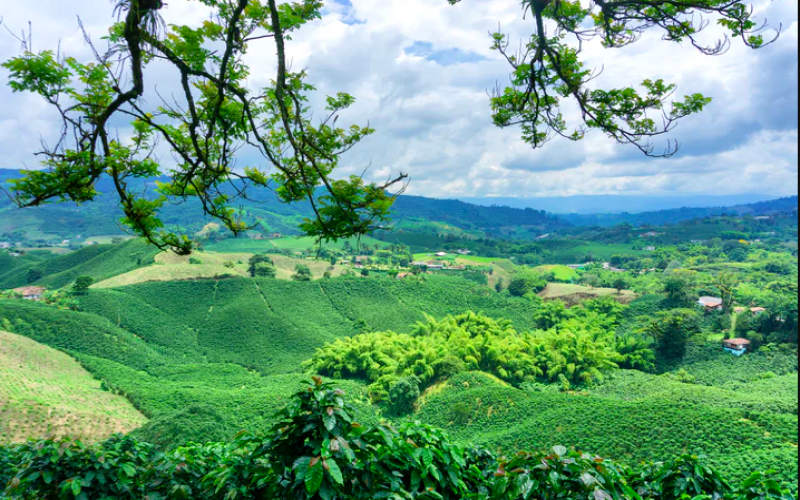
Colombia, as the world's third-largest coffee producer and the largest processor of washed Arabica, has a specialty-grade share of up to 40% in its coffee exports. From the establishment of the first experimental plantation by Don Mariano Ospina Rodríguez in the 19th century to the founding of the National Federation of Coffee Growers of Colombia in 1927, the Colombian coffee industry has undergone more than a century of development. In this article, Front Street will take you through this history, outline the characteristics of representative producing regions such as Huila and Cauca, and focus on Finca La Divisa in the Huila region and its Sidra variety—a coffee that has attracted much attention since being selected by Anthony Douglas, the 2022 World Barista Champion. What exactly makes it so uniquely charming? [more…]
Ecuador Clara Estate Washed Sidra Coffee Beans: Flavor Profile and Full Analysis of the Bourbon Sidra Variety
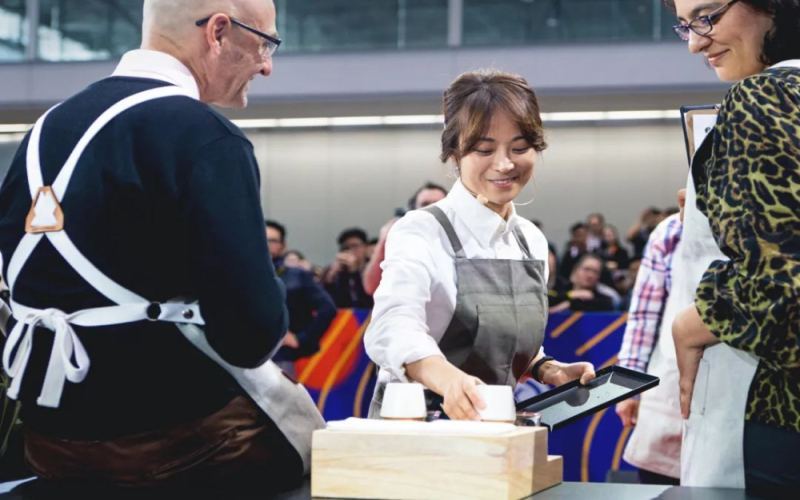
At the 2019 World Barista Championship, South Korean competitor Jeon Joo-yeon won the championship with a Sidra coffee bean from Ecuador, beating many Geisha varieties and bringing the Sidra variety into the public eye. In 2022, Anthony Douglas won again with Sidra, which further sparked the industry's curiosity about it. After investigation, Front Street Coffee found that Sidra is a variety developed by an Ecuadorian coffee research center in the 1990s by crossing Typica with local Red Bourbon, and due to its outstanding flavor, small-scale commercial cultivation gradually began. The Sidra Jeon Joo-yeon used that year came from Hacienda La Clara—a specialty coffee estate located on the Loja plateau and established in 2014. This article will introduce the varietal origins of Sidra, the terroir conditions of Hacienda La Clara, as well as the flavor performance of this washed Sidra and Front Street Coffee's brewing suggestions. [more…]
Luckin's Full Extraction series launches to much discussion, why is the long-extraction espresso base criticized for tasting like dishwater
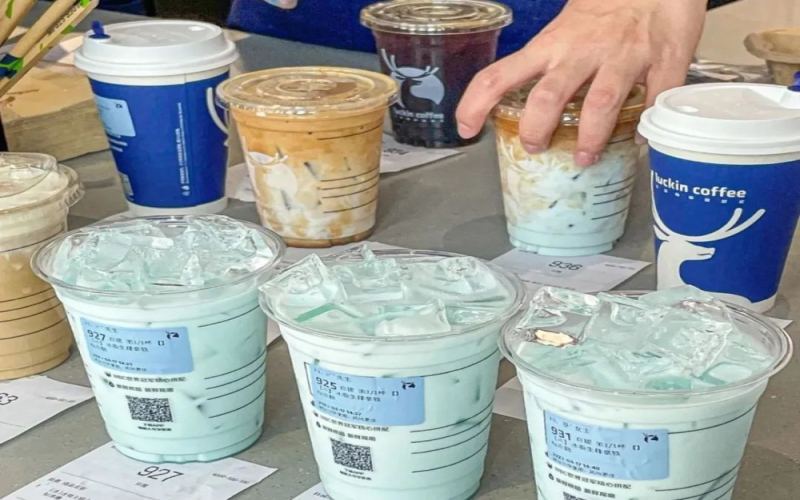
Luckin Coffee recently launched a new product line—the Full-Extraction Series, comprising three milk coffees: Full-Extraction Oat Latte, Full-Extraction Meteorite Latte, and Full-Extraction Latte, recommended by Anthony Douglas, the 2022 WBC World Coffee Champion. The brand claims to use the Café Crema full-extraction process to extract more coffee liquid to enhance concentration, targeting those who prefer strong flavors. However, the first batch of reviews on social platforms has been uniformly negative, with consumers describing the taste as resembling dishwater or burnt herbal medicine soup. What exactly is the concept of full extraction? How does it differ from espresso? Why are consumers not buying it? This article analyzes from the perspectives of extraction principles and market trends. [more…]
Origins of Coffee Cultivation in Colombia and Analysis of the Sidra Variety: From Historical Evolution to Front Street Coffee's Hand-Brewed Flavor
Colombia is the world's third-largest coffee-producing country and the largest processor of washed Arabica, with specialty-grade beans accounting for 40% of its exports. From Don Mariano's establishment of the first experimental plantation in the 19th century, to the founding of the National Federation of Coffee Growers in 1927, and then to the emergence of the Sidra variety from specialty estates on the international stage, Colombian coffee has walked a path of specialization supported by smallholder farmers. In this article, Front Street Coffee provides a comprehensive overview of Colombian coffee, from its historical context and producing regions to the characteristics of the Sidra variety and the cultivation story of Finca La Divisa, along with Front Street's pour-over parameters and flavor description for Sidra coffee beans. [more…]
A Comprehensive Analysis of the Development History of Colombian Coffee and the Sidra Variety from Finca La Divisa in Huila
Colombia is the world's third-largest coffee producer and the largest producer of washed Arabica, with specialty-grade beans making up as much as 40% of its exports. From the early experiments of Don Mariano Ospina Rodríguez in the 19th century to the founding of the National Federation of Coffee Growers in 1927, Colombia's coffee industry has forged a distinctive path of development. This article traces the historical threads of Colombian coffee and the distribution of its main producing regions, with a focus on Finca El Diviso in the Huila region, as well as the Sidra variety that has attracted considerable attention in recent years—what exactly is the appeal of this coffee that once shone on the world barista championship stage? Front Street Coffee has also brought in Sidra coffee beans from this estate, and the pour-over parameters will be shared below. [more…]
The Origins, Development, and Major Producing Regions of Colombian Coffee: A Comprehensive Interpretation from History to the Sidra Variety
As the world's third-largest coffee producer, Colombia is also the largest processor of washed Arabica, with 40% of its exported beans reaching specialty grade. Front Street Coffee regularly offers a range of Colombian beans in its stores, including Rose Valley, Flower Moon Night, Big Belly Button, Sidra, and Huila, all of which can be brewed by pour-over. This article begins with the nineteenth-century planting experiments, traces key milestones such as the founding of the FNC, introduces representative regions like Huila, Cauca, Nariño, and Santander, and focuses on analyzing the Sidra variety that has gained fame in recent years due to the World Barista Championship, as well as the cultivation story of Finca La Línea in the Huila region. Finally, it includes Front Street Coffee's pour-over parameters for Sidra coffee beans. [more…]

The Colombian Sidra Favored by WBC Champions: Variety Origins, Genetic Lineage, and Flavor & Brewing Analysis
In the past two years, a coffee variety called "Sidra" has rapidly risen to fame in the specialty coffee circle. Two WBC champions each won with Sidra lots from Colombia's Palma y El Tucán estate and Finca El Diviso, propelling this experimental variety—once relegated to the fields—onto the world stage. In Spanish, Sidra means apple juice or cider. It is generally considered a hybrid descendant of Typica and Red Bourbon, but WCR genetic identification shows it is closer to Ethiopian landraces, and its origins remain unclear to this day. In this article, Front Street Coffee will sort through Sidra's origin story, genetic research, plant characteristics, and flavor performance, and share a cupping experience and pour-over recommendations for Finca El Diviso's anaerobic natural Sidra, giving you a comprehensive understanding of this champion variety that combines floral aromatics with high-sweetness fruit notes. [more…]
The Evolution of Colombia's Coffee Industry: From War and Decline to the Rise of the FNC, with Notes on Finca El Diviso's Sidra and Geisha
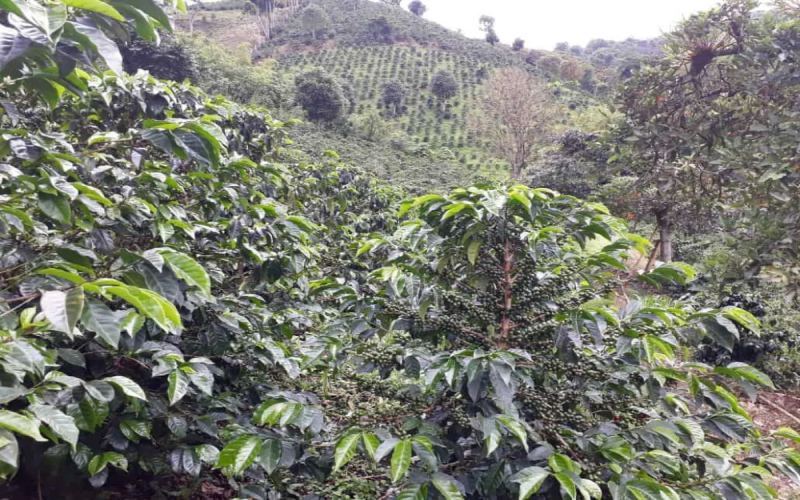
Colombia is located in the northern part of South America. Geographically, the western region consists of the Andes mountains and coastal plains, while the eastern region is made up of the Orinoco Plains and the Amazon Plains. Coffee is said to have been brought to this land by Jesuit monks in 1723, but it was not until the late 19th century that it truly developed into an industry. After that, the country experienced wars, and coffee cultivation declined for a time. The government then divided up wasteland and sold it to farmers, which allowed coffee to regain momentum in 1912 and account for half of total exports. Small farms lacked bargaining power in the market, which led to the creation of the coffee federation in 1920 and its development in 1927 into the more authoritative National Federation of Coffee Growers of Colombia (FNC). Through quality control, the establishment of research centers, and the creation of the Juan Valdez image, the FNC propelled Colombia to become the world's third-largest coffee producer and exporter. This article will also introduce Hacienda La Esmeralda in the Huila growing region, as well as Sidra and Geisha, which became popular after winning the 2022 WBC. [more…]
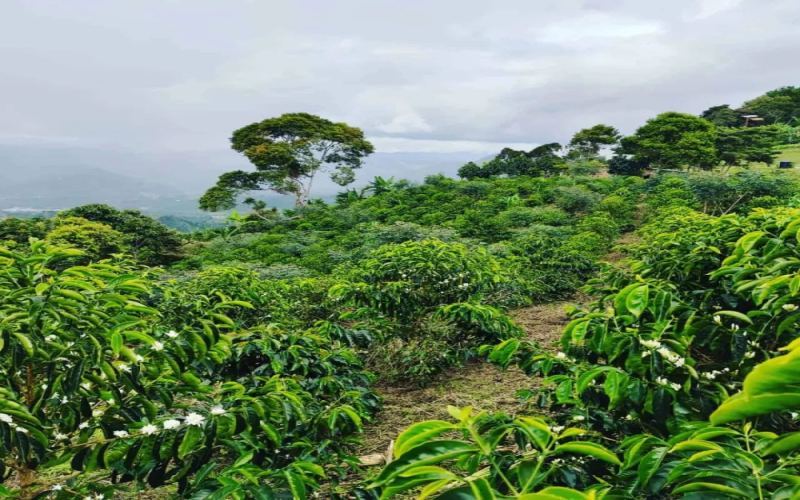
Colombia Huila Region Finca La Divisa Sidra Coffee Bean Variety and Flavor Analysis
Colombia, as the world's third-largest coffee producer and the largest exporter of Arabica, has given rise to numerous specialty coffee regions thanks to the high altitudes, volcanic soils, and diverse microclimates of the Andes. Huila is one of the most representative specialty regions, and Finca El Diviso is located there. The estate rose to fame after the 2022 WBC champion chose its Sidra coffee beans. This article introduces Colombia's coffee-growing conditions, the terroir of the Huila region, the background of Finca El Diviso, and the origins, cultivation characteristics, and Front Street Coffee's brewing performance of the Sidra variety, giving you a comprehensive understanding of the appeal of this rare variety. [more…]
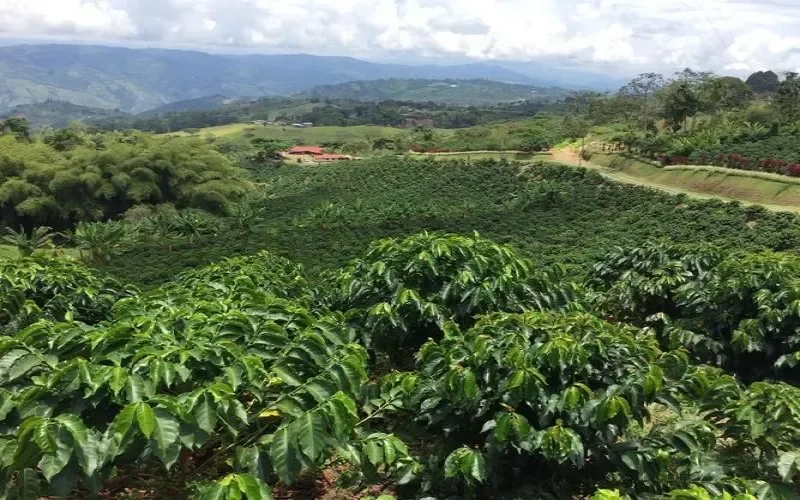
A Complete Guide to the Varieties and Flavors of Colombia Huila Finca La Divisa Sidra Coffee Beans
Colombia, with its high-altitude mountains, volcanic soil, and abundant rainfall, has become the world's third-largest coffee-producing country. Among its many regions, the southern Huila Department is known for its pure and gentle flavors, while Finca El Diviso has gained widespread fame after the 2022 WBC champion chose its Sidra coffee beans. This article will guide you through Colombia's coffee-growing conditions and the terroir characteristics of the Huila region, offer an in-depth look at Finca El Diviso's family background and the origins and botanical characteristics of the Sidra variety, and include complete brewing information and flavor notes for Front Street Coffee's double anaerobic natural Sidra. [more…]

A Must-Read for Coffee Enthusiasts: A Review of "Coffee Wars" and an Analysis of the WBC Plant Milk Rule Change
In recent years, coffee-themed films and television works have gradually increased, but "Coffee Wars" takes a unique perspective—focusing on the situation of vegetarians and plant-based milk in coffee competitions. The film tells the story of Jo, a highly skilled vegan barista whose business is struggling because the shop only offers plant-based milk, yet she resolutely leads her team into the finals of the World Coffee Championship, attempting to prove that plant-based milk can also create outstanding coffee. At the same time, in reality, the Specialty Coffee Association (SCA) also revised the WBC rules at the end of 2022 to allow plant-based milk to compete, a change that coincides with the film's theme. This article will guide you through the film's highlights, the evolution of WBC rules, and Front Street Coffee's continued attention to specialty coffee culture. [more…]

Iced Coffee Varieties | What is German Iced Coffee? Is iced coffee simply coffee brewed with ice water or cold water? Which coffee beans should you choose for making cold brew at home?
For more specialty coffee knowledge, please follow the WeChat official account: FrontStreet Coffee. In different European countries, iced coffee is also different! Some add ice cubes to hot coffee, some add ice cream to hot coffee, and some use cold water immersion extraction. For example, in Amer [more…]
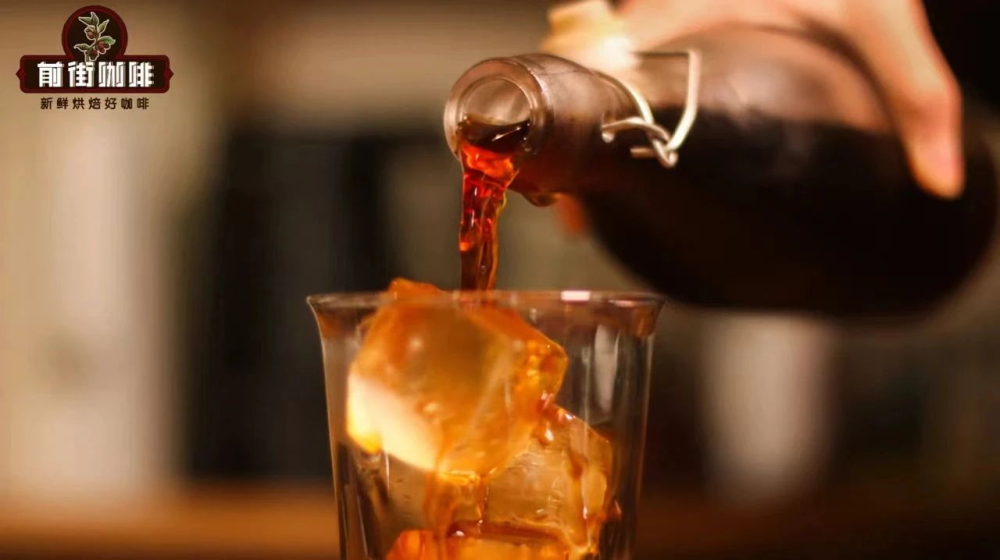
Homemade Cold Brew Coffee Guide | What Is German Iced Coffee? How Do You Make Italian Iced Coffee? Which Pour-Over Coffee Beans Are Suitable for Cold Brew Iced Coffee?
For more specialty coffee knowledge, please follow: FrontStreet Coffee In different European countries, iced coffee is also different! Some add ice cubes to hot coffee, some add ice cream to hot coffee, and some use cold water immersion extraction. For example, in the United States, the basic pairing [more…]